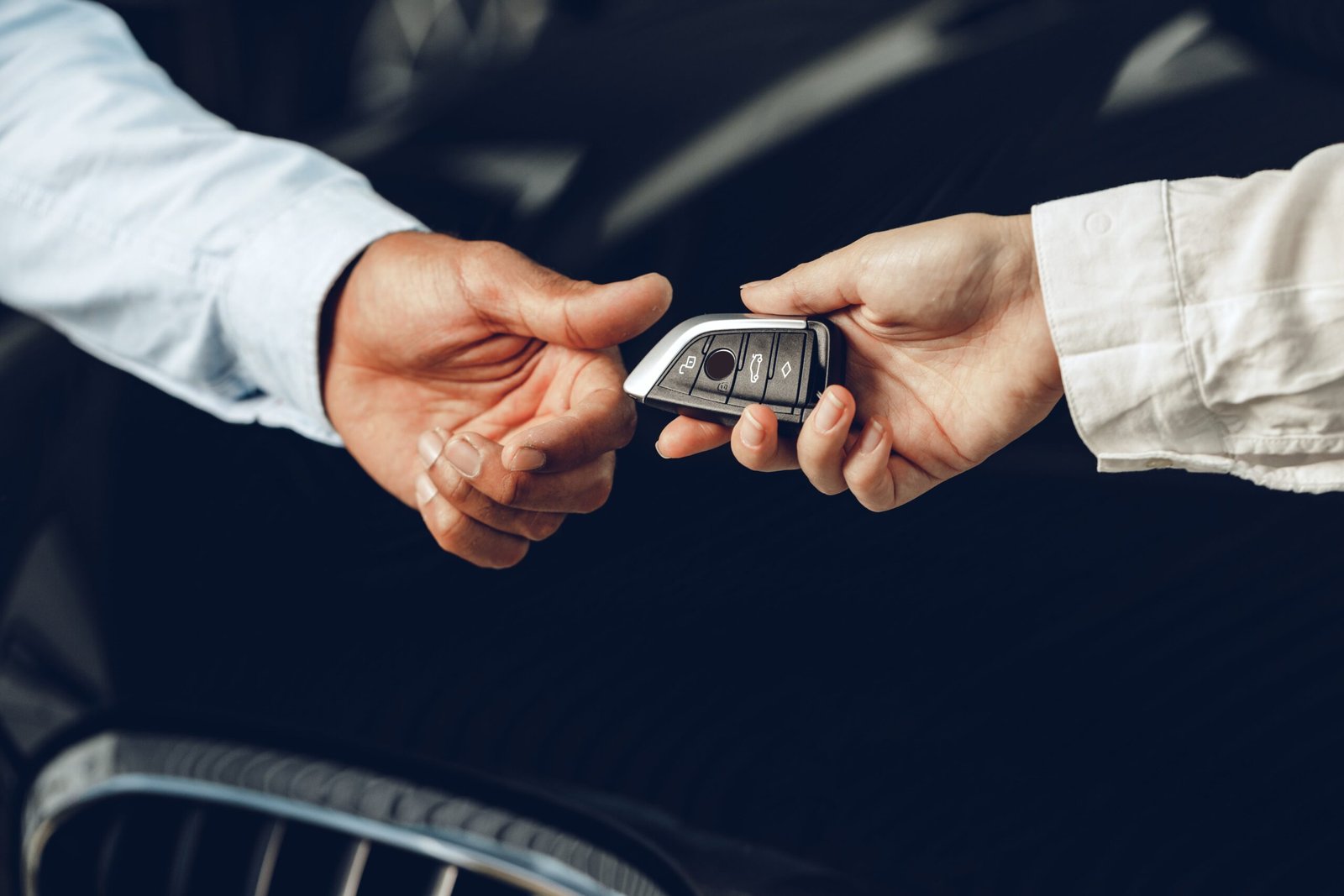
Reprogramming Keys for Cars: An Essential Guide
In an age where technology drives automotive innovation, understanding the intricacies of vehicle security and key programming has become progressively crucial for car owners. Mechanical keys have actually mostly been replaced by wise keys and key fobs, which provide enhanced security and benefit but also introduce new intricacies when it comes to reprogramming. This post aims to explore the crucial aspects of reprogramming keys for cars, consisting of techniques, typical concerns, and a clear guide to actions associated with the process.
What is Key Reprogramming?
Key reprogramming describes the process of resetting or updating a car's electronic keys or fobs. Vehicles manufactured from the late 1990s onward normally depend on innovative technology that consists of keyless entry systems, immobilizers, and, sometimes, remote start functions. When Lidia Ruffaner is lost or when extra keys require to be added to the car's electronic system, reprogramming is essential to ensure that the vehicle acknowledges the brand-new key and that it can start reliably.
Reasons for Reprogramming Keys
- Lost Keys: If a key is lost or stolen, it is vital to reprogram the car to avoid unauthorized gain access to.
- Adding New Keys: Owners frequently need to add new keys when offering relative or other users access to the vehicle.
- Malfunctioning Keys: Sometimes, keys can end up being unresponsive due to malfunctioning batteries or other technical issues.
- Key Replacement: When a new key is purchased, the vehicle might require reprogramming to recognize the new key.
Approaches of Reprogramming Keys
Reprogramming keys can vary substantially based on the make and model of the vehicle. Below are the most common approaches for reprogramming car keys:
| Method | Description |
|---|---|
| Onboard Programming | Some cars allow key reprogramming via the ignition switch without unique tools. |
| Diagnostic Tool | Expert mechanics frequently utilize diagnostic tools to user interface with the vehicle's ECU. |
| Transponder Chip | Automobiles equipped with transponder keys need special programming of the key's chip. |
| Key Programmer Device | Specialized gadgets are readily available for purchase that can reprogram different types of keys. |
Onboard Programming
Onboard programming includes following a series of actions with the vehicle's ignition system. Although not suitable for all designs, the process typically follows these steps:
- Insert the initial key into the ignition and turn it to the 'On' position (do not start the engine).
- After a few seconds, turn the key back to the 'Off' position.
- Repeat this treatment within a specific variety of seconds (inspect the owner's manual for accurate details).
- Turn the vehicle to the 'On' position once again with the new key you wish to program. The security light will flash to suggest the new key has actually been accepted.
Diagnostic Tool Method
For more complex reprogramming, it might be essential to utilize a diagnostic tool, especially for newer lorries. This is typically done by an automotive technician. The actions normally include:
- Connecting the diagnostic tool to the vehicle's OBD-II port.
- Selecting the option for key programming.
- Following on-screen instructions to input new key details into the vehicle's ECU.
FREQUENTLY ASKED QUESTION: Reprogramming Keys for Cars
Q1: Can I reprogram my car keys myself?
A1: Yes, depending upon the make and design of your vehicle, some cars enable onboard programming that you can perform yourself. However, for numerous more recent designs, using professional services or diagnostic tools might be needed.
Q2: How much does it cost to reprogram a car key?
A2: The cost of reprogramming a car key differs widely based upon the vehicle's make and design, the intricacy of the key, and the approach utilized. Expect to pay anywhere from ₤ 50 to ₤ 250, particularly for high-end or foreign automobiles.
Q3: What should I do if my key is not being recognized by my car?
A3: First, make sure the key's battery is functioning. If it still does not work, try reprogramming it. If these steps stop working, seek advice from a professional for support, as there might be a problem with the key or the vehicle's electronic systems.
Q4: How do I understand if my key has a transponder chip?
A4: If your key has a little plastic head and contains a little chip inside (typically visible when you take a look at the key carefully), it is likely a transponder key. Check your owner's handbook to identify the kind of key utilized with your vehicle.
Typical Key Reprogramming Issues
While reprogramming keys can be simple, various issues might occur:
- Key is Not Accepted: The vehicle fails to acknowledge the key throughout the reprogramming attempt.
- Security Light Issues: The security system may malfunction, requiring extra troubleshooting.
- Battery Issues: Dead batteries in keys or vehicles can hinder the programming procedure.
Troubleshooting Tips
- Check Battery Life: Ensure both the vehicle battery and the key fob battery are functional.
- Reset Systems: Occasionally, resetting the vehicle's electrical systems can help in dealing with issues.
- Seek advice from the Manual: Reference the vehicle's owner handbook for particular programming guidelines.
Reprogramming keys for cars is an important ability for contemporary vehicle ownership. As clever keys and advanced electronic systems become increasingly prevalent, comprehending the techniques, reasons, and potential challenges in reprogramming keys is important. Whether carried out by the vehicle owner through onboard programming or facilitated by automotive specialists with diagnostic tools, this process strengthens vehicle security and enhances user benefit. With the best understanding and tools, car owners can effectively handle their keys to maintain control and access to their lorries with confidence.